SunPower Roof Leaks After Bankruptcy: Technology Credit Union Claims [Action Plan]
How to resolve roof leaks and electrical damage on SunPower systems financed with Technology Credit Union (Tech CU) after SunPower's bankruptcy.
Disclaimer This guide provides consumer educational and public-record informational analysis. It does not constitute formal legal representation or engineering advice. If you have active water intrusion threatening electrical panels or structural framing, contact a licensed roofing professional and electrical contractor immediately.
Overview
When SunPower Corporation filed for Chapter 11 bankruptcy in Delaware on August 5, 2024 (Case No. 24-11649), over 500,000 residential customers were left navigating a corporate debris field. On September 30, 2024, the bankruptcy court approved the sale of SunPower’s non-installing dealer network, New Homes business, and Blue Raven Solar to Complete Solaria for $45 million.
Crucially, Complete Solaria’s purchase agreement explicitly excluded systems installed on or before September 30, 2024.
              THE SUNPOWER ROOF LEAK & TECH CU BIND

     [SunPower Chapter 11]  ───────>  [Complete Solaria Sale Order]
       (Aug 5, 2024 Filing)             (Excluded Pre-Sept 30, 2024 Installs)
               │                                       │
               ▼                                       ▼
  [Severe Roof Penetration Leaks]    [Workmanship & Roof Warranties Dead]
  (Attic mold, wet insulation, rot)    (SunPower Corporate Shell Dissolved)
               │                                       │
               ▼                                       ▼
  [Technology Credit Union (Tech CU)] ──> [FTC Holder Rule: 16 CFR § 433]
    (Demands $35k-$65k Note Payments)     (Lender Offset for Roof Repair Costs)
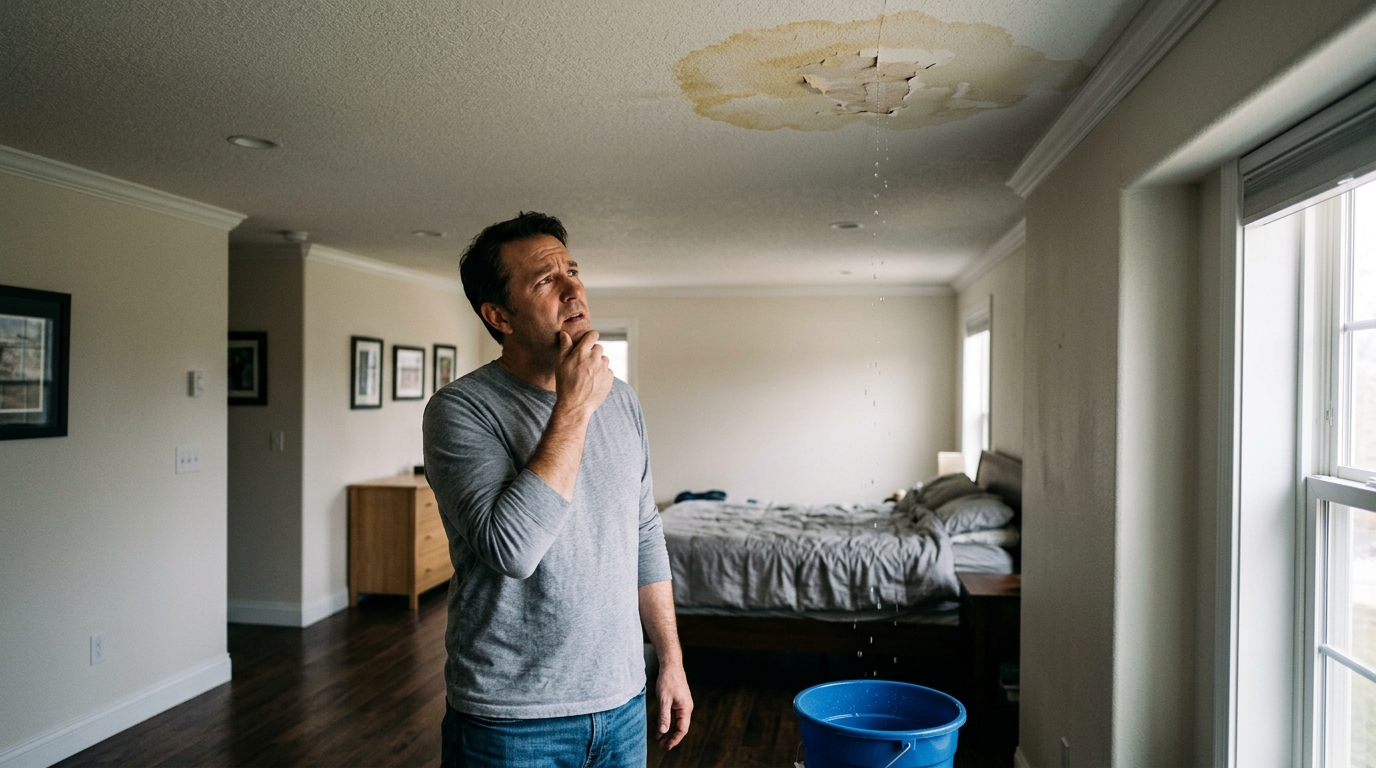
For thousands of homeowners who financed their SunPower systems through Technology Credit Union (Tech CU) between 2020 and 2024, this court order created an urgent financial and structural crisis: Roof leaks originating from improper lag-bolt penetrations are rotting attic rafters and causing drywall mold, while Tech CU continues to automatically draft monthly loan payments on a $35,000 to $65,000 promissory note.
When money is tight and out-of-pocket roofing repairs range from $8,000 to $20,000, what legal claims can borrowers assert against Technology Credit Union?
Key Takeaways
- The Warranty Stranding Complete Solaria’s court-approved asset purchase did not assume SunPower's pre-bankruptcy workmanship or roof-penetration warranties. SunPower’s corporate guarantee is an unsecured claim in a bankrupt estate. (See our guide on the SunPower bankruptcy and SunStrong service transition).
- Credit Union Lender Exposure Technology Credit Union originated thousands of SunPower solar promissory notes. Under the federal FTC Holder Rule (16 CFR Part 433), Tech CU holds those notes subject to all claims and defenses arising from defective installation and structural damage. (Read our FTC Holder Rule and solar lender liability analysis).
- Proving Causation Homeowners must independently document that the water intrusion originates from solar stanchions, unsealed lag bolts, or cracked roof tiles beneath the array rather than normal shingle aging. (Follow our forensic solar roof leak evidence checklist and insurance claim guide).
- Remedies Available Borrowers can seek emergency loan forbearance, demand that Tech CU offset the cost of roof repairs against the remaining principal balance, and file complaints with the National Credit Union Administration (NCUA) and state regulators.
Why SunPower Roof Leaks Are Surfacing Now
SunPower installations executed between 2020 and 2023 frequently utilized sub-contracted installer networks and rapid-mounting hardware. Roof leaks typically do not manifest in week one; they take two to four winter rainy seasons for rainwater to work past degraded flashing, dry neoprene grommets, and missed rafters:
- Missed Rafter Penetrations ("Shiners") Installers driving lag bolts through roof decking often missed the wooden truss or rafter entirely. These unsealed puncture holes allow water to seep directly into attic insulation.
- Damaged Flashing and Broken Tiles On concrete tile or Spanish clay roofs, installers routinely cracked neighboring tiles while walking on the roof, sealing the fractures with temporary silicone mastic that degrades under UV radiation.
- Electrical Conduit Leaks Rooftop electrical junction boxes and roof-deck penetrations where wires enter the attic frequently lack proper weatherhead flashing, allowing water to track along wiring directly into electrical subpanels.
When water enters the living area, homeowners face drywall collapse, hazardous black mold (Stachybotrys), and electrical short circuits—all while paying Tech CU hundreds of dollars a month for the system causing the damage.
How Complete Solaria's Asset Sale Severed Warranty Support
In standard consumer transactions, a homeowner looks to the installer’s 10-year or 25-year roof warranty. However, in Chapter 11 Case No. 24-11649, Docket Entry 22:
- Maxeon Solar Technologies warrants the physical photovoltaic modules against manufacturing defects.
- Enphase Energy warrants the microinverters.
- The workmanship, installation labor, and roof leak guarantee belonged exclusively to SunPower Corporation.
Because Complete Solaria did not assume legacy installation liabilities, SunPower's roof warranty ceased to exist as an operational service obligation on September 30, 2024.
Homeowners who call Complete Solaria are turned away. Independent roofing contractors refuse to touch the roof without first removing the solar panels—charging $2,500 to $5,000 just for panel de-installation and re-installation (detach and reset) before the roof repair even begins.
The Legal Mechanism: Holding Technology Credit Union Accountable
Because SunPower is an insolvent debtor, your legal and financial leverage shifts to the entity holding your promissory note: Technology Credit Union.
1. The FTC Holder Rule (16 CFR Part 433)
Tech CU promissory notes for SunPower systems are consumer credit contracts governed by federal law. The mandatory Holder Rule provision states.
"Any holder of this consumer credit contract is subject to all claims and defenses which the debtor could assert against the seller of goods or services obtained pursuant hereto or with the proceeds hereof."
Because SunPower breached its core contractual obligation to perform a workmanlike installation that does not compromise the structural integrity of your home, you have an affirmative defense of breach of contract and property damage that can be asserted directly against Technology Credit Union.
2. Equitable Offset and Balance Reduction
Under general contract law and the Holder Rule, a borrower is entitled to an equitable setoff. $$\text{Adjusted Loan Balance} = \text{Original Note Balance} - \text{Documented Roof Repair & Mold Remediation Costs}$$
If repairing the roof, replacing rotted decking, and remediating mold costs $18,000, and detaching/resetting the panels costs $4,000, you have a documented legal basis to demand that Tech CU reduce your loan principal by $22,000 or apply an immediate credit against monthly payments.
Step-by-Step Action Plan for Tech CU Borrowers
If your SunPower system is leaking and you have a Technology Credit Union loan, follow these four urgent steps.
  STEP 1: Commission an Independent Forensic Roofing Inspection
    └── Obtain a written report tying ceiling leaks to solar mounting penetrations.
         │
  STEP 2: Issue Formal Notice of Property Damage & Holder Rule Defense
    └── Send certified demand to Tech CU requesting emergency payment forbearance.
         │
  STEP 3: File Homeowners Insurance Claim with Subrogation Notice
    └── Coordinate insurance adjuster inspection and name SunPower / Tech CU.
         │
  STEP 4: File Complaints with the NCUA & State Attorney General
    └── Escalate credit union non-responsiveness to federal credit union regulators.
Step 1: Secure an Independent Roofing Inspection Report
Do not rely on verbal assessments. Hire a licensed, independent C-39 roofing contractor (or structural engineer) to inspect the attic and roof:
- The roofer must take clear, high-resolution photographs showing the lag bolts penetrating the decking directly beneath the solar array.
- The written inspection report must explicitly state: "Water intrusion is directly caused by compromised or unsealed solar racking penetrations."
- Obtain a detailed, line-item repair estimate covering:
- Panel detach and reset.
- Damaged underlayment and plywood decking replacement.
- Re-shingling or tile replacement with proper flashed standoffs.
- Attic insulation removal and mold remediation.
Step 2: Send a Certified Legal Dispute to Technology Credit Union
Send a formal dispute letter via Certified Mail Return Receipt Requested to Technology Credit Union’s Loan Servicing and Dispute Department:
- State that the installation funded by Tech CU was executed defectively, causing severe active property damage.
- Formally assert your defense under the FTC Holder Rule (16 CFR Part 433).
- Request an immediate 90-day hardship forbearance to pause monthly payments without interest or negative credit reporting while damage claims are investigated.
- Demand that Tech CU offset the total certified roofing estimate against your loan principal balance.
Step 3: Coordinate with Homeowners Insurance and Subrogation
File a property damage claim with your homeowners insurance carrier for interior water damage:
- While homeowners policies often exclude "faulty contractor workmanship," they almost always cover resulting sudden water damage (ruined drywall, warped flooring, wet insulation).
- Inform your insurer that the damage was caused by a SunPower installation financed by Technology Credit Union. Your insurer’s subrogation department may pursue the contractor's liability bond or the financing entity.
Step 4: Escalate to Credit Union Regulators
If Tech CU refuses to cooperate, threatens collections, or reports disputed balances as delinquent:
- File a consumer complaint with the National Credit Union Administration (NCUA) at mycreditunion.gov.
- File a complaint with the California Department of Financial Protection and Innovation (DFPI) (or your state’s financial regulator) regarding credit union lending practices.
- Submit a complaint to the CFPB.
Sources and Official References
- U.S. Bankruptcy Court, District of Delaware: SunPower Corporation Docket (Case No. 24-11649)
- Federal Trade Commission: The Holder Rule (16 CFR Part 433)
- National Credit Union Administration (NCUA): Consumer Assistance Center
- California Department of Financial Protection and Innovation: File a Complaint
- Cornell Law LII: 15 U.S. Code § 1681s-2 (Responsibilities of Furnishers of Information under FCRA)
- Cornell Law LII: Uniform Commercial Code § 9-513 (Termination Statement)
FAQ
Does Technology Credit Union have to pay for my SunPower roof leak?
Under the FTC Holder Rule (16 CFR Part 433), Technology Credit Union took your promissory note subject to all claims and defenses that you could have asserted against SunPower. If SunPower’s defective installation damaged your home, you can assert that breach against Tech CU to demand an offset of your repair costs against the loan balance, payment pauses, or partial loan rescission.
Did Complete Solaria take over SunPower’s roof leak warranty?
No. In the court-approved asset purchase agreement (closed September 30, 2024), Complete Solaria acquired specific assets—such as Blue Raven Solar and the dealer pipeline—but explicitly excluded existing residential systems installed on or before September 30, 2024 from warranty and repair obligations.
Can I pause my Tech CU loan payments while my roof is leaking?
You should not stop paying without sending a formal legal dispute letter. If you stop paying unilaterally, Tech CU’s automated systems may report 30-, 60-, or 90-day delinquencies to credit bureaus. Instead, submit a formal written Holder Rule dispute requesting an emergency loan forbearance while roof damage and repair estimates are verified.
Who pays to remove the solar panels so the roofer can repair the leak?
Removing and reinstalling solar panels (known as "detach and reset") typically costs between $2,500 and $5,000. Because this expense is a direct consequential damage of SunPower’s defective installation, it should be itemized in your formal demand to Technology Credit Union as an offset against your loan balance.
Can I sue Technology Credit Union for SunPower's workmanship defects?
Yes, consumer attorneys can bring claims against credit unions under the FTC Holder Rule and state credit laws where the credit union financed defective home improvements. Many consumer protection statutes contain fee-shifting provisions requiring the lender to pay your attorney’s fees if you prevail.
Next Research Steps
Use these resources to connect this issue with the broader solar scam pattern, the relevant legal framework, and the next practical action.
Solar panel scams
Start with the main solar panel scams guide for the broad definition and recovery roadmap.
Solar financing fraud compensation
Use this guide for loan, dealer-fee, payment-jump, PACE, lease, and lender-defense issues.
Solar company complaint directory
Look up installers, lenders, bankruptcies, warranty problems, and customer-service complaint patterns.
Report solar fraud
Build a complaint packet for the FTC, CFPB, state attorney general, licensing board, or counsel.
Misled by a solar company?
Free 24-hr review · Statutory fee-shifting