Lumio Solar Bankruptcy & Chapter 11 [Customer Action Plan]
How to handle Lumio Solar's Chapter 11 bankruptcy, unfinished panel installations, mechanics' liens, and loan freezes under the FTC Holder Rule.
Disclaimer: This article provides factual consumer bankruptcy education, public docket reporting, and contract dispute analysis. It does not constitute formal legal advice. If you have an unfinished Lumio installation or face property liens from Lumio subcontractors, consult a licensed consumer-protection attorney in your state.
Overview
In September 2024, Lumio HX, LLC (Lumio Solar)—once promoted as one of the fastest-growing residential clean energy companies in the nation—officially filed for Chapter 11 bankruptcy protection in the U.S. Bankruptcy Court for the District of Delaware.
Formed in 2020 through the multi-company merger of five regional installers (including Deca, Smart Energy Today, Lift Energy, and Silex Solar), Lumio rapidly expanded through aggressive direct-to-consumer sales. However, crushed by hundreds of millions in liabilities, operational mismanagement, and rising interest rates, the company collapsed.
While Lumio entered an asset purchase agreement to sell certain operational assets to Zeo Energy Corp., tens of thousands of homeowners across Utah, Texas, California, Florida, and Arizona were left stranded in a crisis:
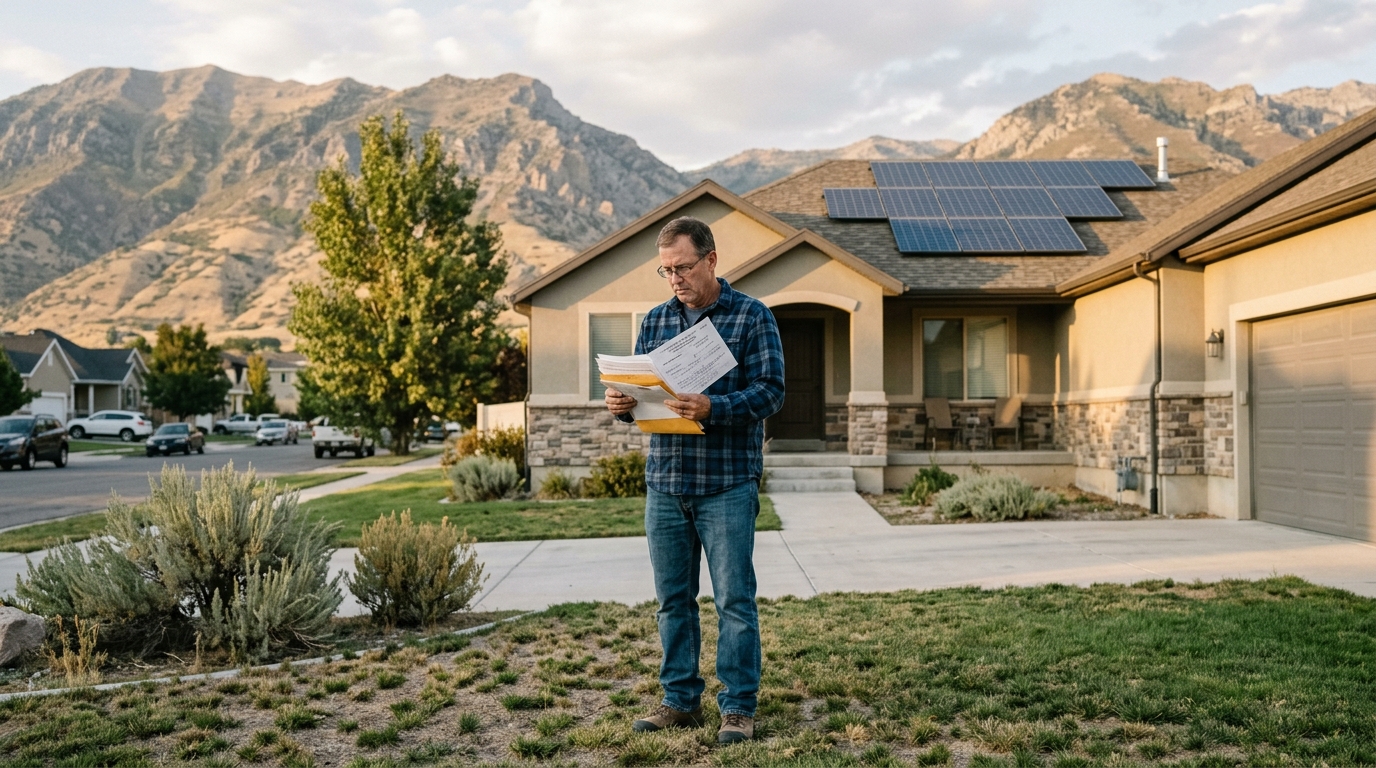
- Unfinished Rooftop Installations Panels mounted on roofs with no electrical inverters, no municipal inspection sign-offs, and no utility Permission to Operate (PTO).
- Unpaid Subcontractor Liens Electrical and roofing subcontractors stiffed by Lumio recording mechanics' liens against homeowners' personal residences.
- Ongoing Monthly Loan Bills Institutional financiers (like GoodLeap and Mosaic) continuing to demand monthly loan payments for solar systems generating zero watts.
If you are trapped in an incomplete or broken Lumio Solar project, filing a simple unsecured creditor claim in bankruptcy court will not save your home. You must deploy the FTC Holder Rule against the solvent lenders that funded the deal.
Key Takeaways
- The Bankruptcy Status Lumio HX, LLC filed Chapter 11 bankruptcy in Delaware in September 2024. While Zeo Energy acquired certain business assets, it did not assume Lumio's broad consumer liabilities, incomplete installation debts, or unfulfilled warranty claims.
- The Unfinished Installation Trap Homeowners with dark arrays are caught between open municipal permits, unapproved utility interconnections, and active 25-year promissory notes.
- Mechanics' Liens Clouding Title Unpaid local electrical and roofing subcontractors are filing mechanics' liens against homeowners' deeds, creating immediate clouds on title that block refinances and home sales.
- Weaponizing the FTC Holder Rule Under 16 C.F.R. § 433.2, homeowners can assert Lumio’s abandonment and breach of contract directly against lenders (such as GoodLeap, Mosaic, or Dividend) to freeze monthly loan payments and seek contract exit or debt cancellation.
- Closing Open Permits Homeowners must work directly with local municipal building departments to cancel Lumio’s abandoned building permits before hiring licensed local electricians to finish or inspect the system.
What Happened to Lumio Solar?
                      The Collapse of Lumio Solar
                                   │
2020: Merger of 5 Regional Installers (Deca, Lift, Silex, etc.)
        │
2021–2023: Rapid Direct-to-Consumer Expansion & Aggressive Debt
        │
Sept 2024: Chapter 11 Bankruptcy Filing (District of Delaware)
        │
Asset Sale to Zeo Energy Corp. ──► Leaves Consumers Stranded with Unfinished Systems
Lumio's business model relied on high customer acquisition volumes originated through commission-based sales networks and funded by third-party consumer financing platforms.
When economic conditions tightened, Lumio struggled with operational bottlenecks:
- Thousands of jobs were sold and funded by lenders before permits were approved.
- Installers mounted panels on roofs but failed to return to complete electrical tie-ins or install batteries.
- When bankruptcy hit, work stopped overnight. Crews abandoned job sites, leaving exposed electrical wiring and roof holes unsealed.
The Asset Sale to Zeo Energy
Under the Delaware bankruptcy court’s Section 363 asset sale process, Zeo Energy Corp. acquired specific contracts, intellectual property, and servicing accounts. However, bankruptcy asset sales are structured "free and clear of liens, claims, and encumbrances."
This means Zeo Energy generally did not assume liability for Lumio’s unfulfilled verbal promises, pre-existing roof damage, or unpaid contractor bills. Homeowners expecting Zeo Energy to automatically finish their abandoned systems for free have faced extreme frustration.
The 3 Critical Crises Facing Lumio Customers
1. The "Zombie" Installation with No PTO
The most common Lumio complaint involves systems that are 80% complete but completely dead.
- Panels sit on the roof, but the municipal building department has never conducted a rough or final electrical inspection.
- The local electric utility has never approved an interconnection agreement or issued Permission to Operate (PTO).
- Turning on the system without PTO is illegal and risks electrical fire or grid backfeed penalties.
- The Loan Still Bills Despite having zero operational solar power, the financing bank begins debiting monthly payments, claiming the loan was "funded" upon equipment delivery.
2. Subcontractor Mechanics' Liens on Your Home
Lumio routinely subcontracted electrical wiring, trenching, and roofing work to independent local contractors. When Lumio stopped paying its bills leading up to the bankruptcy filing, those subcontractors sought payment elsewhere:
- Subcontractors recorded Mechanic’s and Materialman’s Liens against homeowners' properties in county deed records.
- Homeowners are blindsided by legal notices stating that their home is subject to foreclosure if an unpaid $4,000 to $12,000 subcontractor bill is not satisfied—even though the homeowner already financed the full contract through their solar loan!
3. Expired or Abandoned Municipal Building Permits
Municipal permits typically expire within six months if no work or inspections occur. When Lumio abandoned projects:
- Permits expired, leaving an active code-compliance violation on the homeowner's property file with the city.
- Local building departments will not allow a new contractor to touch the installation until Lumio’s original permit is formally canceled or transferred.
Legal Strategies: How to Fight Back
Do not wait for the Delaware bankruptcy court to send you pennies on the dollar. Deploy these active consumer-protection defenses.
                            Your Multi-Pronged Legal Attack
                                          │
     ┌────────────────────────────────────┼────────────────────────────────────┐
     ▼                                    ▼                                    ▼
1. The FTC Holder Rule               2. Challenge Sham Liens              3. Clear City Permits
Assert Lumio's total failure         Demand removal of mechanics'         Revoke Lumio's contractor
of consideration against GoodLeap    liens failing strict state           authorization with local
or Mosaic to freeze payments.        statutory notice deadlines.          building officials.
1. Deploy the FTC Holder Rule Against Your Lender
If you financed your Lumio system through GoodLeap, Solar Mosaic, Sunlight Financial, or Dividend, federal law is your shield.
Under the FTC Holder Rule (16 C.F.R. § 433.2), the promissory note in the lender's hands contains mandatory language subjecting the holder of the paper to all claims and defenses that you could assert against Lumio:
- Failure of Consideration Because Lumio went bankrupt and failed to deliver a commissioned, functional solar array, there is a total failure of consideration under contract law.
- Immediate Dispute Action Send a formal written Notice of Dispute and Defense to Payment via Certified Mail to your loan servicer. Demand that monthly payments be frozen, interest accrual be halted, and adverse credit reporting be suspended while the installation failure is investigated.
2. Defeat and Remove Unlawful Mechanics' Liens
Subcontractor mechanics' liens are subject to rigid statutory deadlines. In many states (such as Texas, Florida, and California), a subcontractor lien is legally invalid if:
- The subcontractor failed to serve you with a preliminary notice within strict statutory timeframes (e.g., 20 days in California, 60 days in Texas).
- The lien was recorded after statutory filing windows expired.
- In Texas, the lien was filed against a protected homestead without complying with Texas Constitutional formalities.
An attorney can serve a formal Demand to Release Invalid Lien, subjecting the subcontractor to severe statutory damages and attorneys' fees if they refuse to expunge a legally defective filing.
3. Cancel and Transfer Municipal Permits
Visit your city or county building department in person:
- Request your full permit history.
- Submit a formal letter revoking Lumio’s contractor authorization on your property.
- Request that the city close the abandoned permit or allow a licensed local electrical contractor to pull a replacement permit to conduct safety inspections and finalize interconnection.
4-Step Checklist for Lumio Solar Victims
- Pull Your Interconnection & Permit Status Contact your local utility to confirm whether an interconnection application was ever submitted, and contact your city building department to determine what inspections remain open.
- Search County Deed Records for Liens Search your county recorder or clerk of court’s public records for any recorded UCC-1 filings or subcontractor mechanics' liens.
- Serve Formal Notice on Your Lender Send a certified dispute letter to your financing company citing the FTC Holder Rule, Lumio’s Chapter 11 bankruptcy, and failure to commission the system.
- File Regulatory Complaints
- Consumer Financial Protection Bureau (CFPB) File against the lending institution for billing on non-commissioned solar projects.
- State Attorney General & Licensing Boards Report Lumio’s contractor abandonment to state licensing regulators.
Start the eligibility review → to evaluate whether your unfinished Lumio solar installation qualifies for loan nullification or property lien expungement.
FAQ
Does Lumio's bankruptcy mean my solar loan is canceled?
No. Your solar loan is held by an independent financial institution (such as GoodLeap or Mosaic), not by Lumio directly. However, under the federal FTC Holder Rule, you have the legal right to assert Lumio's bankruptcy abandonment and failure to complete the installation as a defense to freeze or void the loan.
Will Zeo Energy finish my incomplete Lumio solar installation?
While Zeo Energy acquired certain assets of Lumio, they generally did not assume universal liability for Lumio’s unfinished projects or warranty claims. You must verify whether Zeo Energy formally assumed your specific contract before allowing crews onto your property.
What should I do if a subcontractor filed a mechanic's lien on my house?
Demand a full accounting and proof of compliance with state preliminary notice laws. Subcontractor liens frequently fail strict statutory requirements and can be removed through formal legal demand letters or expedited court petitions.
Can I hire another contractor to finish my Lumio installation?
Yes, but you must first revoke Lumio’s authorization with your local municipal building department and notify your loan provider in writing to ensure financing funds are not improperly disbursed to Lumio’s bankruptcy estate.
Next Research Steps
Use these resources to connect this issue with the broader solar scam pattern, the relevant legal framework, and the next practical action.
Solar panel scams
Start with the main solar panel scams guide for the broad definition and recovery roadmap.
Solar company complaint directory
Look up installers, lenders, bankruptcies, warranty problems, and customer-service complaint patterns.
Report solar fraud
Build a complaint packet for the FTC, CFPB, state attorney general, licensing board, or counsel.
Solar financing fraud compensation
Use this guide for loan, dealer-fee, payment-jump, PACE, lease, and lender-defense issues.
Installer bankrupt or orphaned?
Relief options & loan cancellation