Bankrupt Solar Installer Before PTO: Stop Paying? [Guide]
What to do if your solar company went bankrupt before utility PTO. How to use the FTC Holder Rule to stop loan payments, finish permits, and turn panels on.
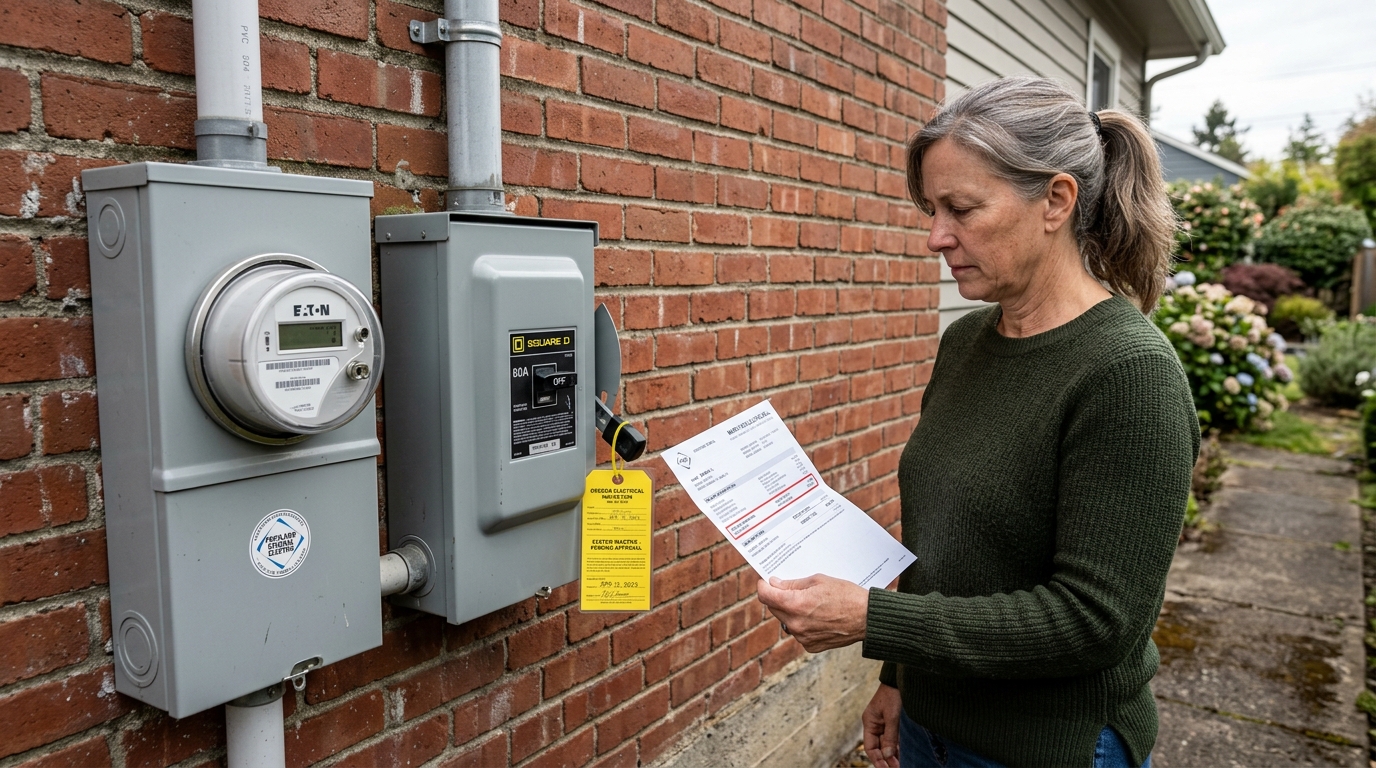
Disclaimer: This guide provides consumer education and statutory dispute strategies for homeowners dealing with orphaned solar installations. It does not constitute formal legal advice. Consult a consumer protection attorney regarding your specific loan documents and municipal building codes.
Overview
If your solar installation contractor went bankrupt before securing utility Permission to Operate (PTO), you are not legally obligated to continue paying for a non-functional rooftop system: Under the FTC Holder in Due Course Rule (16 C.F.R. § 433.2), you can assert the installer’s failure to deliver functional goods directly against your lender (GoodLeap, Mosaic, Sunlight Financial, or Dividend) to suspend monthly payments, demand loan zero-out, or compel the lender to finance third-party completion costs. Turning on panels without utility PTO is illegal, subjects you to utility fines of up to $1,000, and risks inverter shutdown.
Following the massive wave of residential solar insolvencies—including Titan Solar Power, SunPower, Lumio, Pink Energy, and Vision Solar—tens of thousands of homeowners are trapped in the "Orphaned PTO Gap." Panels sit dark on the roof, generating 0 kWh of electricity, the electric utility refuses to interconnect without passing final municipal inspection, yet the solar lender continues demanding $150 to $350 per month under threat of credit destruction.
This guide provides the exact legal roadmap to freeze loan payments, protect your credit score, and get your system inspected and turned on.
Key Takeaways
- The "No Goods Delivered" Doctrine A solar energy system is legally considered an uncompleted capital improvement until your electric utility issues formal PTO. Lenders who disburse loan funds to installers before PTO do so at their own financial risk.
- The FTC Holder Rule Shield Because the FTC Holder Rule notice is printed in your credit agreement, your loan company stands in the exact legal shoes of the failed contractor. You can withhold payments for total failure of consideration.
- Never Flip the AC Disconnect Switch Yourself Operating a solar PV system without a bi-directional net meter or utility interconnection agreement can back-feed power into the grid, endangering utility linemen and voiding equipment warranties.
- Lenders Must Fund Completion In multi-lender bankruptcy settlements, finance companies have been forced to allocate escrow funds ($1,500 to $3,500 per home) to pay certified third-party electricians to finish municipal permits and close open building department files.
Step-by-Step Resolution: The Orphaned PTO Action Plan
                           Contractor Bankruptcy Before PTO
                                          │
       ┌──────────────────────────────────┴──────────────────────────────────┐
       ▼                                                                     ▼
Step 1: Audit Building Permits                                Step 2: Formal Holder Rule Dispute
(Contact city/county building dept;                           (Send certified letter to lender;
 check open electrical permits)                                halt auto-pay without credit hit)
       │                                                                     │
       └──────────────────────────────────┬──────────────────────────────────┘
                                          ▼
                         Step 3: Utility Interconnection Audit
                         (Verify if net metering application was submitted)
                                          │
                                          ▼
                         Step 4: Demand Lender Completion Funding
                         (Compel lender to pay licensed 3rd-party contractor)
1. Audit Your Local Municipal Building Permit Status
Before contacting your lender, find out exactly how far along the installation process reached:
- Call your city or county Building & Safety Department.
- Give them your parcel address and request the solar electrical permit file.
- Determine: Was the permit pulled? Did the rough electrical inspection pass? Did the final building and electrical inspection fail, or was it never called in?
- Request written copies of all permit inspection reports. If the inspector noted code violations (such as lack of rapid shutdown compliance or missing placard labels), keep this as critical evidence.
2. Send a Formal Notice of Dispute Under 16 C.F.R. § 433.2
Do not argue with customer service representatives over the phone. Draft a formal legal dispute letter to your solar finance company:
- State clearly that the contractor has entered bankruptcy liquidation and committed a complete failure of performance.
- Note that the system has never achieved Permission to Operate (PTO) and generates zero usable electricity.
- Cite the FTC Holder Rule (16 C.F.R. § 433.2) and state that you are asserting the defense of failure of consideration against the loan balance.
- Demand that the lender immediately place the account in formal administrative dispute status, suspend ACH auto-debits, and suppress all derogatory reporting to Equifax, Experian, and TransUnion under the Fair Credit Reporting Act (15 U.S.C. § 1681s-2).
- Send the letter via USPS Certified Mail with Return Receipt Requested.
3. Contact Your Electric Utility Interconnection Desk
Call your electric utility (e.g., PG&E, SCE, Duke Energy, FPL, Oncor, or ConEd) and speak directly to the Distributed Generation / Net Metering Interconnection Department:
- Ask whether the contractor ever submitted a formal Interconnection Application.
- If submitted, ask what pending documentation is missing (typically the passed municipal final inspection sign-off or revised single-line electrical diagram).
- Ask if the utility permits homeowner self-representation to complete the interconnection process with an independent licensed C-10 electrical contractor.
4. Compel the Lender to Pay Third-Party Completion Costs
Independent licensed solar electricians typically charge $1,500 to $3,500 to review an orphaned system, correct wiring deficiencies, pass municipal final inspection, and submit the final commissioning package to the utility.
Under established consumer finance law, because the lender disbursed 100% of the loan proceeds to a contractor that never delivered a completed system, the lender cannot force the homeowner to pay out of pocket to complete the contractor’s unfinished scope. Many homeowners successfully negotiate for the lender to either:
- Issue a direct principal reduction credit covering the full cost of third-party completion; or
- Contract directly with an authorized maintenance provider (such as SunStrong Management in SunPower cases) to achieve PTO.
Contractor Bankruptcy vs. Homeowner Rights: Quick Comparison
Table 1: Contractor Bankruptcy Status vs. Legal Remedies
| Installation Status at Bankruptcy | Lender Payment Obligation | Homeowner Legal Strategy |
|---|---|---|
| Panels Mounted, No Inspections or PTO | Payments Suspended under Holder Rule | Demand lender fund municipal inspection, code corrections, and utility PTO completion before payments resume. |
| Permits Pulled, No Panels Delivered | Full Loan Cancellation / Void | Immediate loan zero-out; goods were never delivered. Demand UCC-3 lien expungement. |
| Passed Final Inspection, Awaiting Utility Meter Swap | Temporary Dispute Window | Work with utility interconnection desk directly to expedite bi-directional meter swap (typically 2–4 weeks). |
| System Installed with Active Roof Leaks | Damages Offset against Loan Principal | Assert property damage claims against lender under Holder Rule; demand repair escrow funds. |
FAQ
Can I just turn my solar system on if the panels are already on my roof?
No. Do not turn the system on without utility PTO. Running an unapproved PV system back-feeds unmetered electricity into the local distribution grid. Your existing electrical meter may run backward or register solar export as consumption (doubling your bill), and your utility can disconnect your grid service or assess heavy safety penalties.
Will stopping loan payments ruin my credit score?
If you simply cancel auto-pay without sending formal written dispute notice, the lender’s automated billing system will report late payments. However, when you send a certified dispute notice citing the FTC Holder Rule and asserting fraud/non-performance, federal law prohibits lenders from reporting undisputed delinquency without noting the account as actively disputed. If they report derogatory marks, you can sue under the Fair Credit Reporting Act (FCRA) for statutory damages.
Who owns the solar panels on my roof if the installer went bankrupt?
If you signed a solar loan agreement, you are the titled owner of the equipment, subject to the lender's security interest (UCC-1 fixture filing). The bankrupt installer’s bankruptcy trustee cannot come and take the panels off your roof. If you signed a lease or PPA, the contract and equipment become assets of the bankruptcy estate, and the trustee will either sell the contracts to a third-party servicer or abandon the equipment.
What government agencies should I report this to?
Homeowners should submit formal complaints to three primary regulators: the Consumer Financial Protection Bureau (CFPB) regarding lender misconduct, their State Attorney General Consumer Protection Division for deceptive marketing practices, and their State Contractor Licensing Board to recover up to $25,000 against the contractor's mandatory surety bond.
Next Research Steps
Use these resources to connect this issue with the broader solar scam pattern, the relevant legal framework, and the next practical action.
Solar panel scams
Start with the main solar panel scams guide for the broad definition and recovery roadmap.
Solar company complaint directory
Look up installers, lenders, bankruptcies, warranty problems, and customer-service complaint patterns.
Solar financing fraud compensation
Use this guide for loan, dealer-fee, payment-jump, PACE, lease, and lender-defense issues.
Homeowner legal rights
Review cancellation, rescission, UDAP, TILA, Holder Rule, arbitration, and lawsuit options.
Installer bankrupt or orphaned?
Relief options & loan cancellation