Freedom Forever Bankruptcy: Loan Cancellation & Orphaned System Options [Legal Guide]
Freedom Forever filed Chapter 11 on April 15, 2026. Learn how the FTC Holder Rule lets homeowners cancel Mosaic and GoodLeap loans on orphaned solar systems.
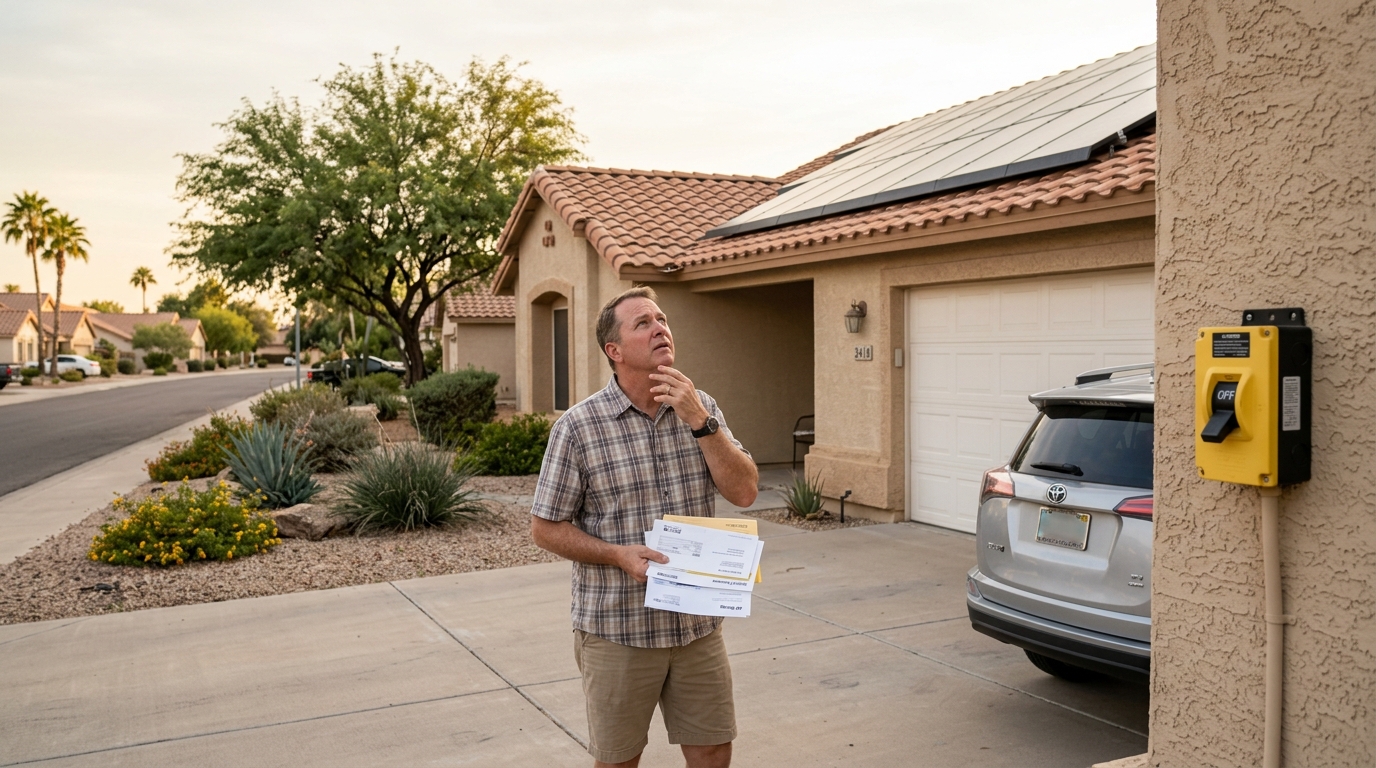
Disclaimer This guide is for educational and consumer informational purposes only and does not constitute formal legal advice. If you are facing collection actions, foreclosure threats, or significant property damage, consult an attorney licensed in your jurisdiction.
Overview
On April 15, 2026, Freedom Forever LLC—formerly ranked the number-one residential contractor on the Top Solar Contractors list, representing approximately 6.1% of national market share across 35 states—filed for Chapter 11 bankruptcy in the U.S. Bankruptcy Court for the District of Delaware (Case No. 26-10522). The company reported between $500 million and $1 billion in liabilities against just $100 million to $500 million in estimated assets, with between 50,000 and 100,000 creditors.
       FREEDOM FOREVER COLLAPSE & RECOVERY PATHWAY

 [Freedom Forever Ch. 11]  ──>  [Orphaned 25-Year Guarantee]
      (Apr 15, 2026)             (Unsecured Claim = $0 Recovery)
            │                                   │
            ▼                                   ▼
 [Solvent Lenders: Mosaic/GoodLeap] ──> [FTC Holder Rule 16 CFR § 433]
      (Hold Consumer Paper)              (Loan Rescission & Lien Removal)
The immediate fallout has left thousands of American homeowners trapped in a devastating consumer bind: Freedom Forever’s trademark 25-year production and workmanship guarantee is effectively defunct, while third-party financing institutions such as Solar Mosaic, GoodLeap, and Sunlight Financial continue to demand monthly loan payments of $150 to $350 for dark or leaking systems.
If your Freedom Forever system was never energized, your roof is actively leaking, or your panels produce a fraction of promised kilowatt-hours, you do not have to absorb thousands in unearned debt. Federal consumer credit statutes and state deceptive trade practices laws provide direct remedies against the solvent institutions holding your loan note.
Key Takeaways
- Delaware Chapter 11 Filing Freedom Forever LLC entered bankruptcy liquidation posture with over $500M in debts and projected zero recovery for general unsecured consumer warranty claims.
- The Mosaic Entanglement Freedom Forever's largest single unsecured creditor is Mosaic Funding, owed roughly $114 million, illustrating the deep financial nexus between the failed installer and its primary financing partner.
- Prior Regulatory Crackdowns The bankruptcy follows years of state enforcement, including the California Contractors State License Board (CSLB) placing Freedom Forever on three-year probation (Order N2022-286) and the Texas Attorney General issuing a major Civil Investigative Demand on April 7, 2026.
- FTC Holder Rule Protection Under 16 CFR Part 433, borrowers can legally assert Freedom Forever’s breach of contract, non-performance, and misrepresentations as affirmative defenses against the lender holding the note.
What the Delaware Bankruptcy Filing Means for Homeowners
When an installation giant like Freedom Forever collapses, consumers frequently make the mistake of filing an unsecured claim in the bankruptcy court and waiting months for a nominal dividend check.
In Chapter 11 Case No. 26-10522, initial court filings indicate that secured creditors, DIP financiers, and administrative expenses consume the entire estate. Customer warranty claims, incomplete installation damages, and unreturned deposits are classified as general unsecured claims. Under bankruptcy priority rules, unsecured consumers almost never recover meaningful compensation from the installer’s bankruptcy estate.
However, the vast majority of Freedom Forever residential installations were not paid in cash—they were financed through third-party installment promissory notes or Power Purchase Agreements (PPAs). This is where consumer protection law shifts the battlefield away from the bankrupt shell and onto the solvent institutions that funded the transaction.
Regulatory Actions Preceding the Collapse
The sudden April 2026 shutdown was not an unexpected market event; it was the culmination of aggressive regulatory enforcement across key solar markets.
1. California CSLB 3-Year Probation (Order N2022-286)
On October 4, 2024, the California Contractors State License Board (CSLB) stayed the outright revocation of Freedom Forever's contractor license and placed the company on three years of strict probation through October 2027.
The CSLB disciplinary action documented systemic violations:
- Installation of unapproved, sub-standard panel models differing from contracted engineering plans.
- Unpermitted electrical and structural work performed by unregistered third-party subcontractors.
- Widespread failure to repair structural roof penetrations that caused severe interior water damage.
- Substantial contract overcharges and misrepresentations regarding utility grid interconnection timelines.
2. Texas Attorney General Consumer Protection Investigation
On April 7, 2026—eight days before the Delaware bankruptcy petition—Texas Attorney General Ken Paxton issued comprehensive Civil Investigative Demands under the Texas Deceptive Trade Practices Act (DTPA) to Freedom Forever. The state demanded internal scripts, sales commissions, false energy savings models, and proof regarding hundreds of consumer complaints alleging that sales reps promised "zero electric bills" while locking homeowners into predatory 25-year liens.
How to Cancel Your Loan: The FTC Holder Rule
If your installation was abandoned midway, your system was never granted Permission to Operate (PTO), or recurring inverter errors are ignored because customer support phones have been disconnected, you have legal rights against your lender.
"Any holder of this consumer credit contract is subject to all claims and defenses which the debtor could assert against the seller of goods or services obtained pursuant hereto or with the proceeds hereof."
Because solar promissory notes originated through GoodLeap, Solar Mosaic, Dividend Finance, or Sunlight Financial contain this mandatory federal notice, the lender does not enjoy "holder-in-due-course" immunity. Any legal defense you have against Freedom Forever for:
- Total Failure of Consideration Equipment installed on the roof that never operated or generated power.
- Breach of Express 25-Year Guarantee Elimination of essential contractual monitoring, labor, and warranty service that formed the basis of the bargain.
- Fraudulent Inducement False representations regarding net metering compensation, government rebates, or equipment performance.
...can be asserted directly against the financing entity to demand full cancellation of remaining loan balances, refund of payments made, and immediate removal of UCC-1 fixture filings.
Step-by-Step Action Plan for Freedom Forever Customers
If you have a dark system or an active loan on an orphaned Freedom Forever install, take these four immediate steps.
Step 1: Demand Your Complete Loan and Contract File
Contact your loan servicer (check your monthly statement—this may be Launch Servicing, Vervent, Concord, or the lender directly). Demand in writing:
- The executed installation agreement and all change orders.
- The signed promissory note, Truth in Lending Act (TILA) disclosures, and DocuSign audit trails.
- Proof of contractor milestone funding disbursements.
Step 2: Conduct an Interconnection and Permit Audit
Contact your local municipal building department and your electric utility company:
- Did Freedom Forever pull and close final electrical and building permits?
- Did the utility issue a formal Permission to Operate (PTO) letter?
- If the system is connected without permits or utility sign-off, power down the AC disconnect immediately to avoid grid penalties or utility disconnects.
Step 3: Serve a Formal Holder Rule Revocation and Dispute Letter
Do not simply call customer support. Send a formal written dispute letter via Certified Mail Return Receipt Requested to the lender’s legal department asserting:
- Specific non-performance and breach of warranty by Freedom Forever LLC.
- Formal demand for debt cancellation under 16 CFR Part 433.
- Notice disputing the account under the Fair Credit Reporting Act (15 U.S.C. § 1681s-2) to prevent derogatory credit marks during the investigation.
Step 4: Demand Termination of Unauthorized UCC-1 Liens
Freedom Forever or its financing partners routinely record UCC-1 Financing Statements in county land records. If the contract is breached or rescinded, demand a statutory UCC § 9-513 Termination Statement within 20 days. Failure to release the lien after satisfaction or invalidation creates liability for statutory damages and slander of title under state law.
Manufacturer Warranty Bypass: Enphase & SolarEdge
While Freedom Forever's workmanship and production guarantees are lost in Chapter 11, the underlying physical components carry independent manufacturer warranties:
- Microinverters (Enphase Energy) Enphase typically warrants microinverters for 25 years. Homeowners can register their system on the Enphase Enlighten portal and submit direct RMA warranty replacements for dead units.
- String Inverters & Optimizers (SolarEdge Technologies) SolarEdge provides standard 12-to-25-year component warranties. You can open an independent service ticket through SolarEdge support to ship replacement hardware to a licensed local electrician.
For complete guidance on servicing an orphaned system, review our comprehensive Third-Party Solar Warranty and Service Guide.
Sources and Official References
- U.S. Bankruptcy Court, District of Delaware: Freedom Forever LLC Docket (Case No. 26-10522)
- California Contractors State License Board: Disciplinary Order N2022-286
- Texas Attorney General: Civil Investigative Demands to Solar Companies (April 2026)
- Federal Trade Commission: The Holder Rule (16 CFR Part 433)
- Cornell Law LII: 15 U.S. Code § 1681s-2 (Responsibilities of Furnishers of Information)
- Cornell Law LII: Uniform Commercial Code § 9-513 (Termination Statement)
FAQ
Did Freedom Forever file for bankruptcy?
Yes. On April 15, 2026, Freedom Forever LLC filed a voluntary petition for relief under Chapter 11 of the Bankruptcy Code in the U.S. Bankruptcy Court for the District of Delaware (Case No. 26-10522). The company reported estimated liabilities between $500 million and $1 billion, leaving tens of thousands of customer systems without service support.
Do I still have to pay my solar loan if Freedom Forever went out of business?
You should not stop paying without sending a formal legal dispute, but you are not powerless. Under the federal FTC Holder Rule (16 CFR Part 433), consumer loan agreements contain a provision preserving all claims and defenses against any holder of the credit note. If Freedom Forever failed to complete your install, caused severe roof damage, or breached its production warranty, you can assert those breaches against your lender (such as GoodLeap or Mosaic) to demand cancellation or balance reduction.
What happens to Freedom Forever’s 25-year production guarantee?
Freedom Forever's 25-year production and workmanship guarantee was an obligation of Freedom Forever LLC. Because the company is in Chapter 11 with massive liabilities and virtually no funds projected for unsecured creditors, the corporate guarantee cannot be fulfilled by the installer. However, hardware warranties for solar panels and inverters (such as Enphase or SolarEdge) are backed by the manufacturers and remain valid.
What is the relationship between Freedom Forever and Solar Mosaic?
Solar Mosaic was Freedom Forever’s primary financing partner. In Freedom Forever’s Chapter 11 bankruptcy petition, Mosaic Funding is listed as the single largest unsecured creditor, owed approximately $114 million. This close symbiotic relationship makes it easier for consumers to assert agency and Holder Rule claims against Mosaic for Freedom Forever's operational failures.
Can I get a UCC-1 lien removed from my home after Freedom Forever’s bankruptcy?
Yes. If your solar contract has been breached, cancelled, or rescinded under consumer protection statutes, the lender or servicer has no legal right to maintain a cloud on your property title. Under Uniform Commercial Code § 9-513, you can send an authenticated demand letter requiring the secured party to file a UCC-3 Termination Statement within 20 days.
Next Research Steps
Use these resources to connect this issue with the broader solar scam pattern, the relevant legal framework, and the next practical action.
Solar panel scams
Start with the main solar panel scams guide for the broad definition and recovery roadmap.
Homeowner legal rights
Review cancellation, rescission, UDAP, TILA, Holder Rule, arbitration, and lawsuit options.
Solar financing fraud compensation
Use this guide for loan, dealer-fee, payment-jump, PACE, lease, and lender-defense issues.
Solar company complaint directory
Look up installers, lenders, bankruptcies, warranty problems, and customer-service complaint patterns.
Trapped in a predatory loan?
FTC Holder Rule & cancellation rights