Third-Party Solar Warranty & Repair Options [Orphaned System Guide]
Installer went out of business? Compare third-party solar warranties, inverter manufacturer claims, repair costs, and orphan system service plans.
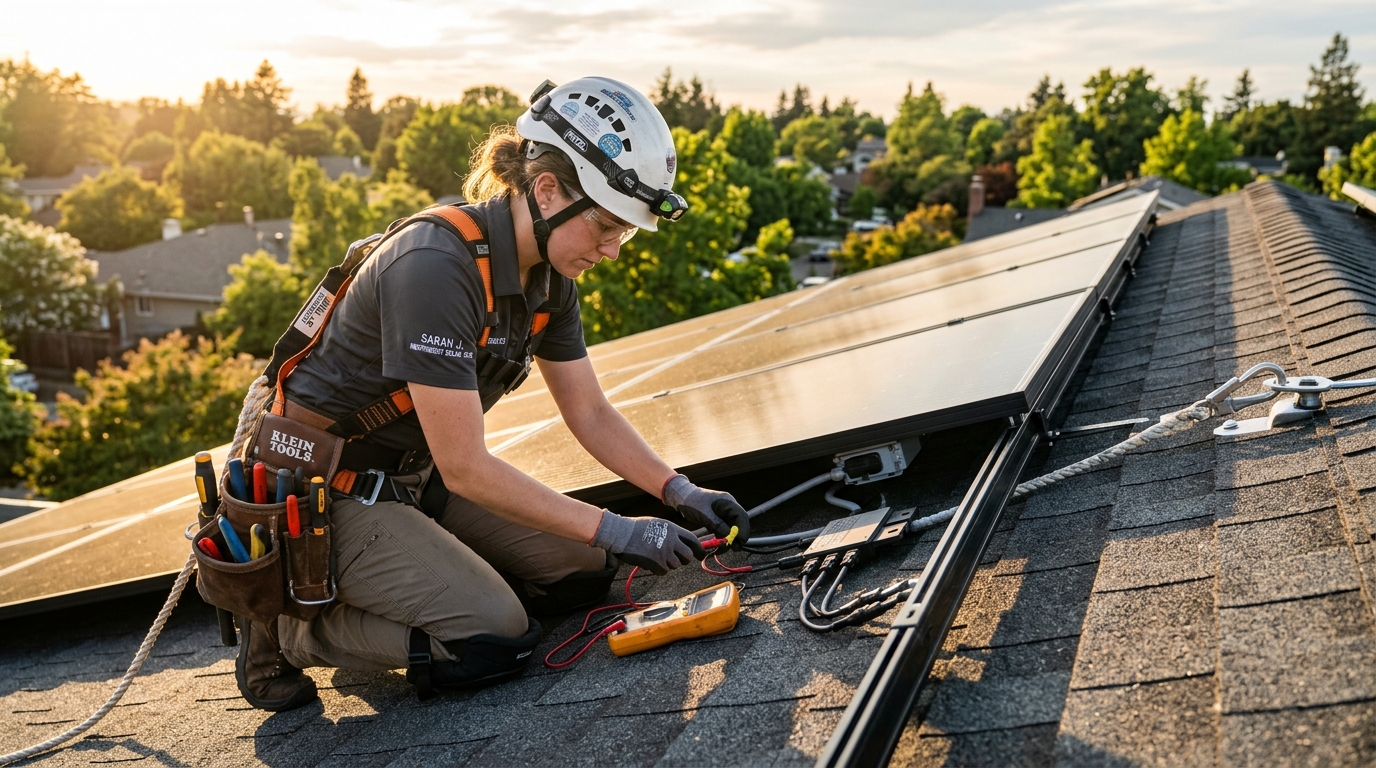
Disclaimer: This guide provides objective consumer information on solar system maintenance, manufacturer warranties, and dispute rights. It does not constitute legal or financial advice. If your system suffered catastrophic roof damage or was abandoned before activation, consult a consumer attorney regarding lender liability.
Overview
Over the past three years, a wave of major solar contractor insolvencies—including Titan Solar Power, SunPower Corporation, Pink Energy, Vision Solar, and Lumio—has left more than 500,000 American homeowners with what the industry calls an "orphaned solar system."
An orphaned solar system is an array where the original installation contractor has dissolved, gone into Chapter 7 or Chapter 11 bankruptcy, or simply ceased answering service calls. While the panels remain physically mounted on your roof, the 25-year comprehensive workmanship warranty promised by the salesperson is effectively dead.
To make matters more urgent for consumers, the federal residential clean energy tax credit under Section 25D expired at the end of 2025. That means homeowners can no longer claim a 30% federal tax subsidy on out-of-pocket repairs, component upgrades, or battery retrofits.
If your inverter has failed, your monitoring app is dark, or your roof is leaking and your installer is gone, this guide breaks down the realistic service, repair, and third-party protection options available to you in 2026.
Key Takeaways
- Workmanship vs. Equipment Warranties Installer bankruptcy eliminates the installer's workmanship and roof-penetration warranty, but equipment manufacturer warranties (Enphase, SolarEdge, Canadian Solar, REC) generally remain active.
- The Manufacturer Catch Component makers cover replacement hardware, but they do not cover the labor, diagnostics, or "truck-roll" fees charged by third-party electricians (typically $250 to $750 per visit).
- Independent O&M Plans Third-party solar operations and maintenance (O&M) networks provide ongoing monitoring, diagnostic coverage, and hardware replacement for pre-existing systems.
- When NOT to Pay Out of Pocket If your system was never granted Permission to Operate (PTO), suffered gross electrical code violations, or was financed through a predatory lender, you may be entitled to loan cancellation under the FTC Holder Rule.
The Orphaned System Service Hierarchy
When an installer goes bankrupt, you must categorize your problem into one of three distinct warranty tiers.
                          YOUR SOLAR SYSTEM PROBLEM
                                     │
         ┌───────────────────────────┼───────────────────────────┐
         ▼                           ▼                           ▼
1. Hardware Failure          2. Workmanship / Leaks      3. Total Abandonment / PTO
   (Inverter / Panels)          (Roof Leaks, Conduit)       (Never Turned On)
         │                           │                           │
         ▼                           ▼                           ▼
Manufacturer Warranty        Independent Roofing /       FTC Holder Rule Dispute
(Enphase, SolarEdge)         O&M Repair Contractor       Against Solvent Lender
1. Equipment Manufacturer Warranties (Hardware Only)
Even if your installation firm dissolved, the physical equipment on your roof was manufactured by independent corporations that maintain their own warranty obligations:
- Inverters (Microinverters & String Inverters) Enphase Energy provides 25-year warranties on IQ-series microinverters. SolarEdge offers 12- to 25-year warranties on central inverters and 25-year coverage on power optimizers.
- Solar Panels Tier-1 panel manufacturers (such as REC, Qcells, Canadian Solar, and Silfab) provide 20- to 25-year power output guarantees.
- The Limitation Equipment warranties will ship a replacement inverter or panel to your home, but they will not pay an electrician to climb on your roof and replace it. You must pay an independent technician for labor.
2. Third-Party Solar Protection Plans & Service Contracts
In response to widespread installer failures, specialized service providers and maintenance platforms now offer protection plans specifically designed for pre-existing, orphaned arrays:
- Independent O&M Networks Companies such as NuWatt Energy, Revival Solar, and GreenLancer connect homeowners with certified local solar technicians to perform site inspections, inverter swaps, and panel testing.
- Third-Party Extended Warranties Specialized warranty underwriters offer subscription-based service plans covering monitoring, annual physical inspections, and labor costs for inverter/module replacements on arrays installed by bankrupt contractors.
- Coverage Considerations Always verify whether the protection plan requires an upfront "onboarding inspection" fee ($200–$400) and whether pre-existing roof leaks are excluded from coverage.
3. Roof Repairs and Structural Workmanship
If your orphaned system is causing active attic water intrusion:
- Equipment warranties will not cover roof repairs.
- Homeowner insurance policies frequently exclude damage caused by "improper contractor installation or faulty workmanship."
- You must hire a licensed roofing contractor experienced with solar detach-and-reset procedures to pull the array, flash the penetrations, and reinstall the mounting brackets. See our breakdown on who pays to remove solar panels for roof repair.
Plan Comparison: Protecting an Orphaned System
| Option | What It Covers | Who Pays | Best Suited For |
|---|---|---|---|
| Direct Manufacturer RMA | Replacement inverter, optimizer, or module hardware | Manufacturer supplies part; homeowner pays $300–$800 labor | Single component failure on a functioning system |
| Independent Solar Electrician | Hourly diagnostic and repair labor on broken systems | Homeowner pays time-and-materials ($150–$250/hour) | One-time repairs or troubleshooting offline equipment |
| Third-Party O&M Subscription | Annual diagnostic checks, monitoring app, and labor coverage | Monthly subscription ($15–$35/month) | Homeowners wanting hands-off monitoring and labor protection |
| Lender Dispute / Cancellation | Full loan cancellation or balance write-down | Handled through legal claim / FTC Holder Rule | Systems that never worked or suffered severe unpermitted defects |
When You Should NOT Pay for Third-Party Repairs
Before spending thousands of dollars out of pocket to revive an abandoned solar system, evaluate whether you should hold the financing institution accountable:
- System Never Received Permission to Operate (PTO) If your installer went bankrupt before the utility approved interconnection, you have been billed for a system that was legally unusable. Financing companies that disbursed funds without verifying PTO violate core lending guidelines.
- Gross Installation Negligence If panels were mounted over rotted rafters or wiring failed municipal building code inspections, continuing to service the loan while disclaiming repair obligations is actionable.
- FTC Holder Rule Protection Under the FTC Holder Rule (16 C.F.R. § 433), solar lenders (such as GoodLeap, Mosaic, and Sunlight Financial) are legally subject to all claims and defenses that the consumer could assert against the original contractor. If the installer committed fraud or breached the contract, the lender cannot simply wash its hands of the problem.
What To Do Next
If you own an orphaned solar system that needs immediate service:
- Identify Your Component Brands Check your garage inverter box or electrical subpanel to record the manufacturer, model number, and serial numbers of your inverter and monitoring bridge.
- Submit a Direct Manufacturer Ticket If an inverter is flashing red or dark, file a support ticket directly with Enphase or SolarEdge before hiring a contractor.
- Check Your Financing Agreement If your out-of-pocket repair costs exceed $2,000 or the system was abandoned during construction, explore your legal remedies to challenge the financing balance.
Sources and Official References
- Federal Trade Commission: The Holder Rule (16 CFR Part 433)
- FTC Consumer Alert: Avoiding Solar and Clean Energy Scams
- Enphase Energy Warranty Support
- SolarEdge North America Warranty Services
- NABCEP Certified Professional Directory
- Internal Revenue Service: Residential Clean Energy Credit (Section 25D)
FAQ
Can I get a warranty on a solar system if my installer went bankrupt?
Yes. Several independent solar service companies and third-party warranty providers now sell service and maintenance agreements specifically for orphaned systems. Additionally, your original component manufacturer warranties (for inverters and panels) remain legally valid directly through the equipment manufacturers regardless of the installer's bankruptcy status.
Does Enphase or SolarEdge cover inverter replacement if the installer is gone?
Yes. Both Enphase and SolarEdge honor their standard hardware warranties directly with homeowners. You can create a homeowner account on their portal, submit the serial number of the failed component, and receive a warranty replacement unit (RMA). However, you will need to pay an independent certified electrician to install the replacement unit unless you have an active labor warranty plan.
Will a third-party solar warranty cover pre-existing roof leaks?
No. Almost all third-party solar warranty and service plans strictly exclude pre-existing roof leaks, structural roof damage, or improper flashing done during original installation. To fix a leak caused by installation negligence, homeowners must either coordinate with a specialized solar roofing contractor or pursue legal claims against the financing company under the FTC Holder Rule.
Can I hire any local electrician to fix my solar system?
While any licensed electrician can legally inspect your electrical panel, it is strongly recommended to hire a North American Board of Certified Energy Practitioners (NABCEP) certified solar technician. Standard residential electricians are often unfamiliar with high-voltage DC string voltages, rapid shutdown requirements, and manufacturer-specific communication gateways.
Next Research Steps
Use these resources to connect this issue with the broader solar scam pattern, the relevant legal framework, and the next practical action.
Solar panel scams
Start with the main solar panel scams guide for the broad definition and recovery roadmap.
Solar company complaint directory
Look up installers, lenders, bankruptcies, warranty problems, and customer-service complaint patterns.
Solar financing fraud compensation
Use this guide for loan, dealer-fee, payment-jump, PACE, lease, and lender-defense issues.
Installer bankrupt or orphaned?
Relief options & loan cancellation